




Fotografía, Video
Presentación: Mitos del futuro próximo
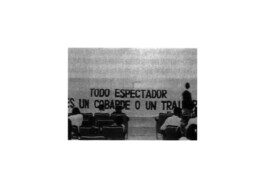
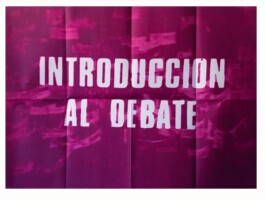
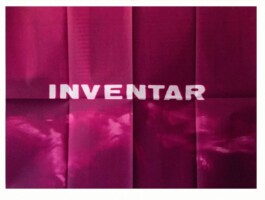
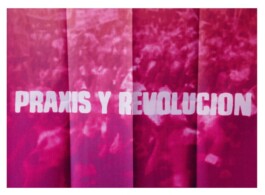
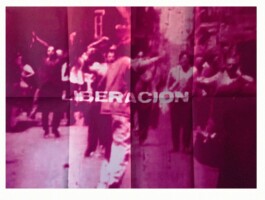
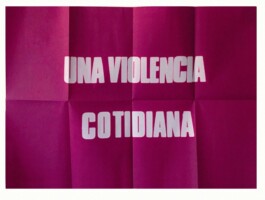
La hora de los hornos. Notas y testimonios sobre el neoliberalismo, la violencia y la liberación, dirigida por Fernando Solanas y Octavio Getino y estrenada en 1968, es la ópera prima del grupo Cine Liberación. La película, compuesta de tres partes, propuso además un modo particular de exhibición: el cine acto. Cada cierto tiempo, la película indica la apertura al diálogo con la sala, para discutir colectivamente las imágenes y argumentos expuestos.
El cine acto, como propuesta central exhibitiva del Tercer cine –aquella tercera posición que se alejaba tanto del cine norteamericano dominante como también del cine de autor–consieraba a las imágenes como un instrumento para la liberación, por lo que las proyecciones debían suceder no en el circuito cerrado del campo del arte y el entretenimiento sino en contacto con los movimientos de la liberación, en fábricas, universidades y espacios de discusión política.
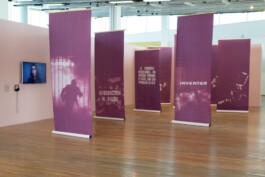
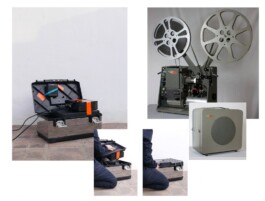
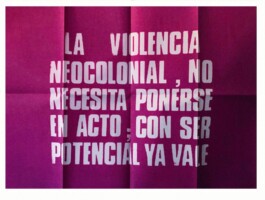
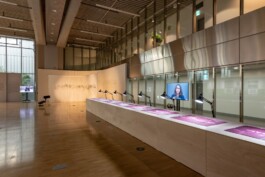
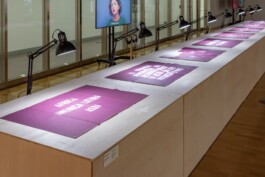
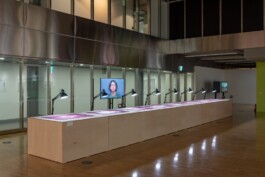
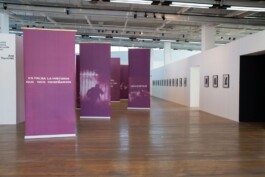
La otra hora consiste en una serie de operaciones tomando este material como punto de partida. En un ejercicio anacrónico, pensar las imágenes como vehículo de ideología en resonancia con las nuevas formas de la subjetividad política en América Latina.
Este proyecto fue realizado para la Bienal de Gwangju 2020, para la exposición Mitos del futuro próximo con curaduría de Sofía Dourrón y Javier Villa.
The Hour of the Furnaces: Notes and Testimonies on Neoliberalism, Violence, and Liberation, directed by Fernando Solanas and Octavio Getino and released in 1968, is the debut film of the Cine Liberación group. The film, composed of three parts, also proposed a unique mode of exhibition: the cinema act. At regular intervals, the film signals an opening to dialogue with the audience, inviting collective discussion of the images and arguments presented.
The cinema act, as a central exhibition proposal of Third Cinema—that third position which distanced itself from both mainstream American cinema and auteur cinema—considered images an instrument for liberation. Therefore, screenings were to take place not within the closed circuit of the art and entertainment world, but in contact with liberation movements, in factories, universities, and spaces of political discussion.
The Other Hour consists of a series of operations taking this material as a starting point. In an anachronistic exercise, it considers images as a vehicle of ideology in resonance with the new forms of political subjectivity in Latin America.
This project was created for the Gwangju Biennale 2020, for the exhibition Myths of the Near Future curated by Sofía Dourrón and Javier Villa.